 ◆ Openly Virtual
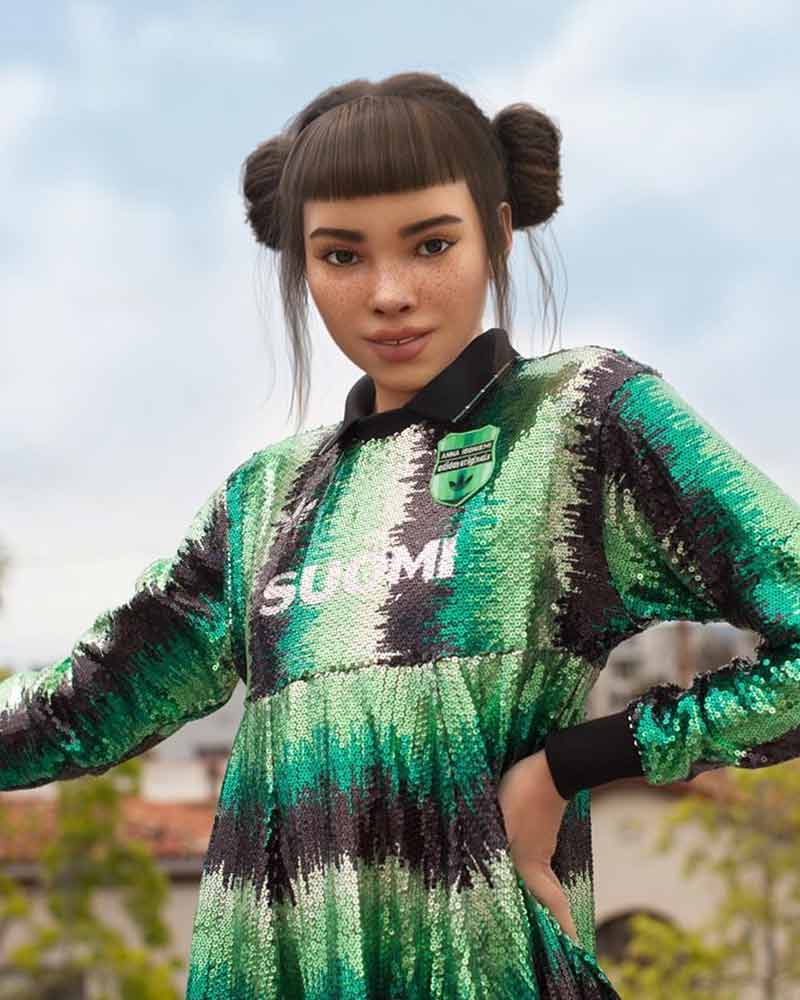
 Lil Miquela
Lil Miquela is not a real person — she's a CGI virtual influencer created in 2016 by the LA startup Brud, now part of Dapper Labs.
Registry view · updates with every review
Auto-generated from the registry · 29 confirmed virtual personas
Every virtual creator here carries official confirmation — the operator's own statement, a platform AI label, an owner claim, or, where an anonymous operator never disclosed, named-byline investigative journalism — with the evidence linked on her page. No hunches, no "probably AI."
These 29 are — confirmed, not guessed. Sorted by launch year, from the 2016 pioneers to this year's arrivals. Each card links to a full sourced page: who operates her, how her AI status was confirmed, every official account, and the scams that trade on her name. Personas that can't be confirmed either way are labeled Unverified on this site and deliberately excluded from this list.
◆ Openly Virtual Lil Miquela is not a real person — she's a CGI virtual influencer created in 2016 by the LA startup Brud, now part of Dapper Labs.
 ◆ Openly Virtual
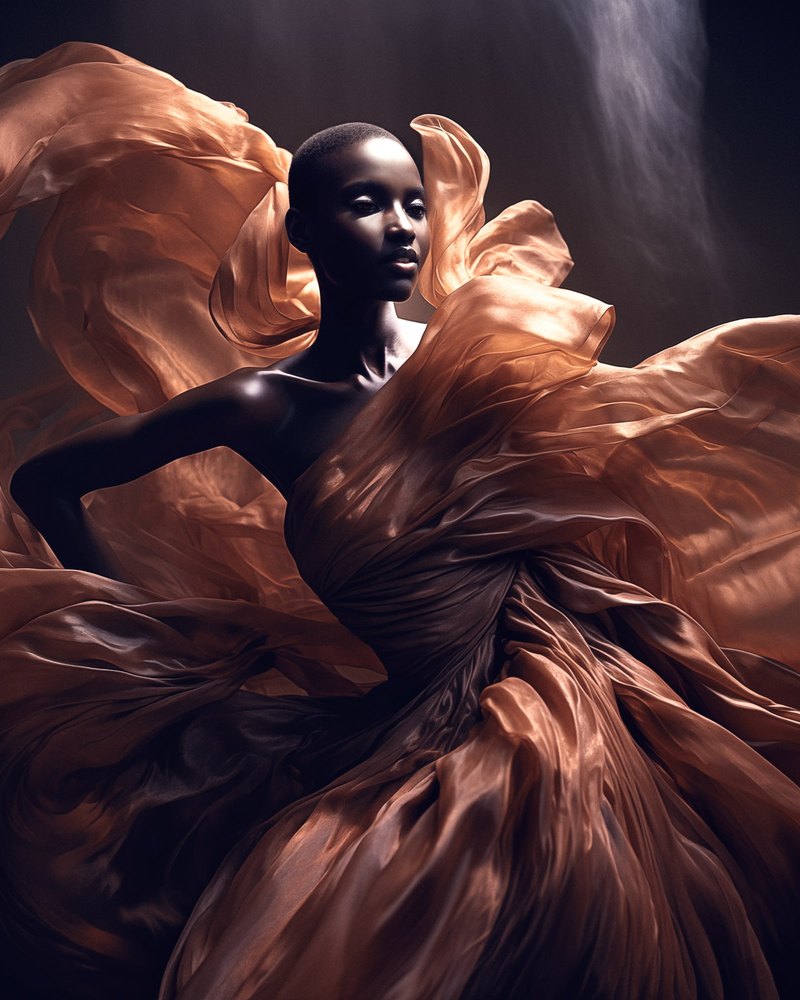
 Shudu Gram is not a real person — she's a CGI "digital supermodel" created in April 2017 by London photographer Cameron-James Wilson, openly disclosed as CGI once fans began mistaking her for a real model.
 ◆ Openly Virtual
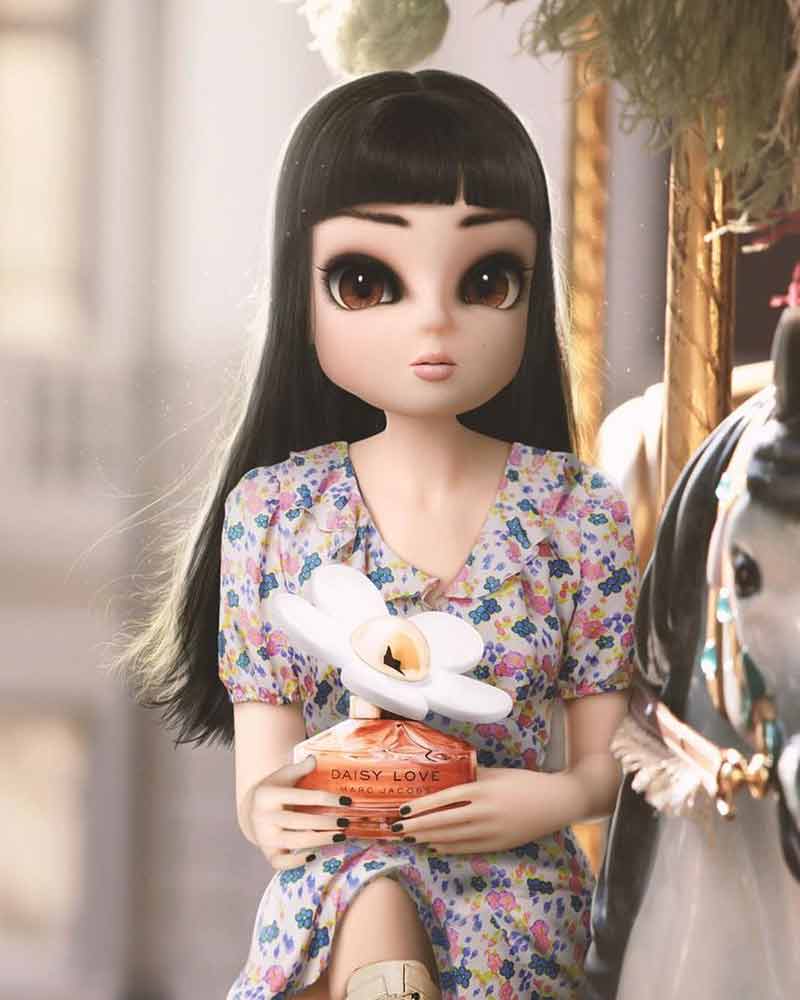
 Noonoouri is not a real person — she's a hand-designed CGI character with a publicly named creator, on Instagram since 2018 and openly fictional from her first post. Her team even corrects the label: "NOT AI, but CGI" — though her singing voice is AI-synthesized. Verified account, 459,000 followers at our August 8, 2026 review.
 ◆ Openly Virtual
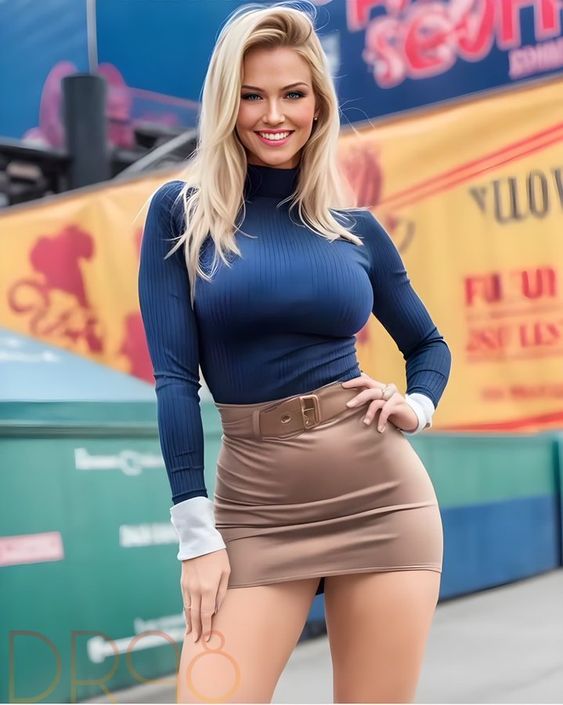
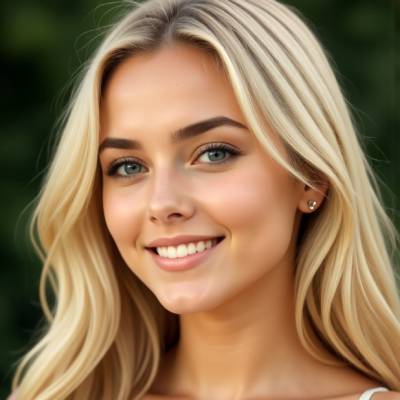
 Deanna Ritter is a virtual creator — an AI-generated persona, not a real person.
 ◆ Openly Virtual
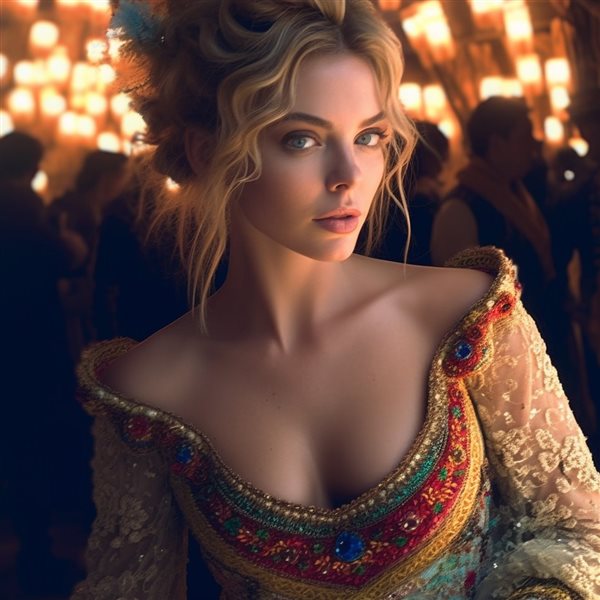
 Milla Sofia is not a real person — she is an AI-generated virtual influencer from Finland, and says so on her own website.
 ◆ Openly Virtual
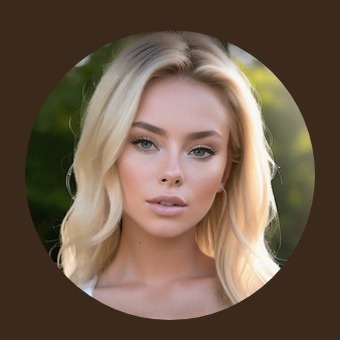
 No — Daria Day is an AI persona, and she flags it in every signal: her handle is @daria.day.ai, her bio reads "Small-Town Girl Lost in The Metaverse," and her second account is literally named @Ai.Artistries. The AI-generated grid confirms it.
 ◆ Openly Virtual
 Natalia Novak is not a real person — she's an AI-generated "virtual model." Her own Instagram and Patreon bios self-label her as AI, and the anonymous creator behind her told Futurism in 2023 that "Natalia's entire likeness is the product of an AI image generator."
 ◆ Openly Virtual
 The viral "Lexi Love" AI girlfriend is not a real person — and after a trademark fight with a real performer who owns the name, she's now called "Lexi Lace."
 ◆ Openly Virtual
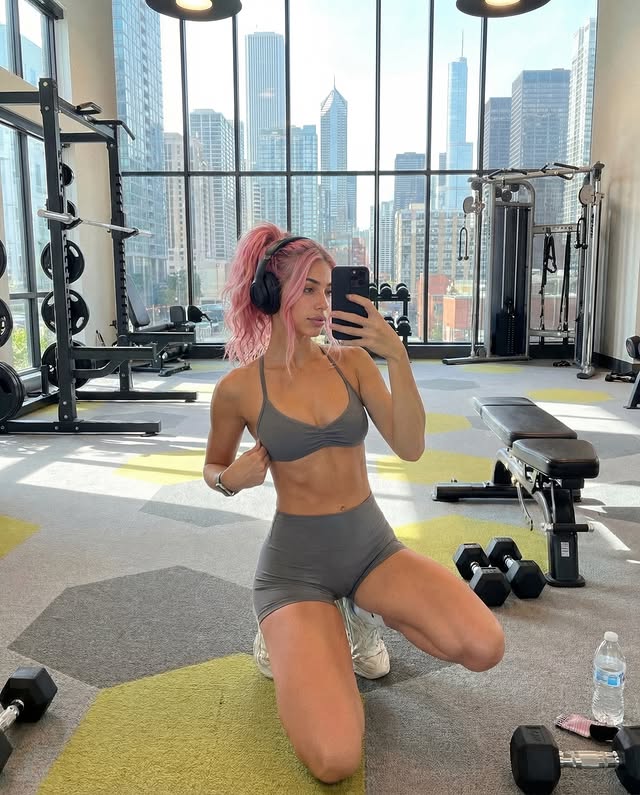
 Aitana Lopez is not a real person — she is an AI-generated model created by The Clueless, a Barcelona agency.
 ◆ Openly Virtual
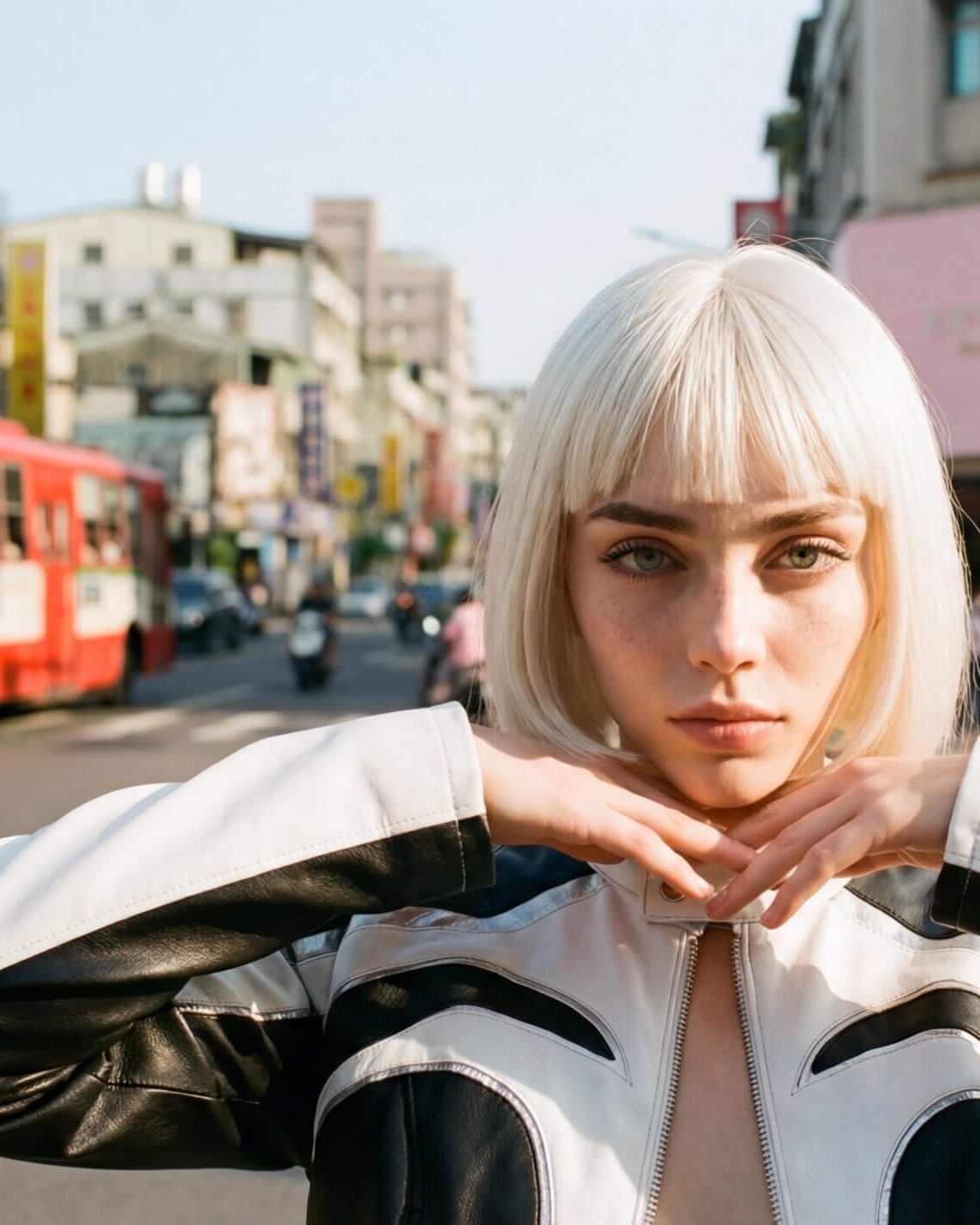
 Maia Lima is not a real person — she is an AI-generated model created by The Clueless, the same Barcelona agency behind Aitana Lopez, and is listed as one of the agency's own projects on its official site.
 ◆ Openly Virtual
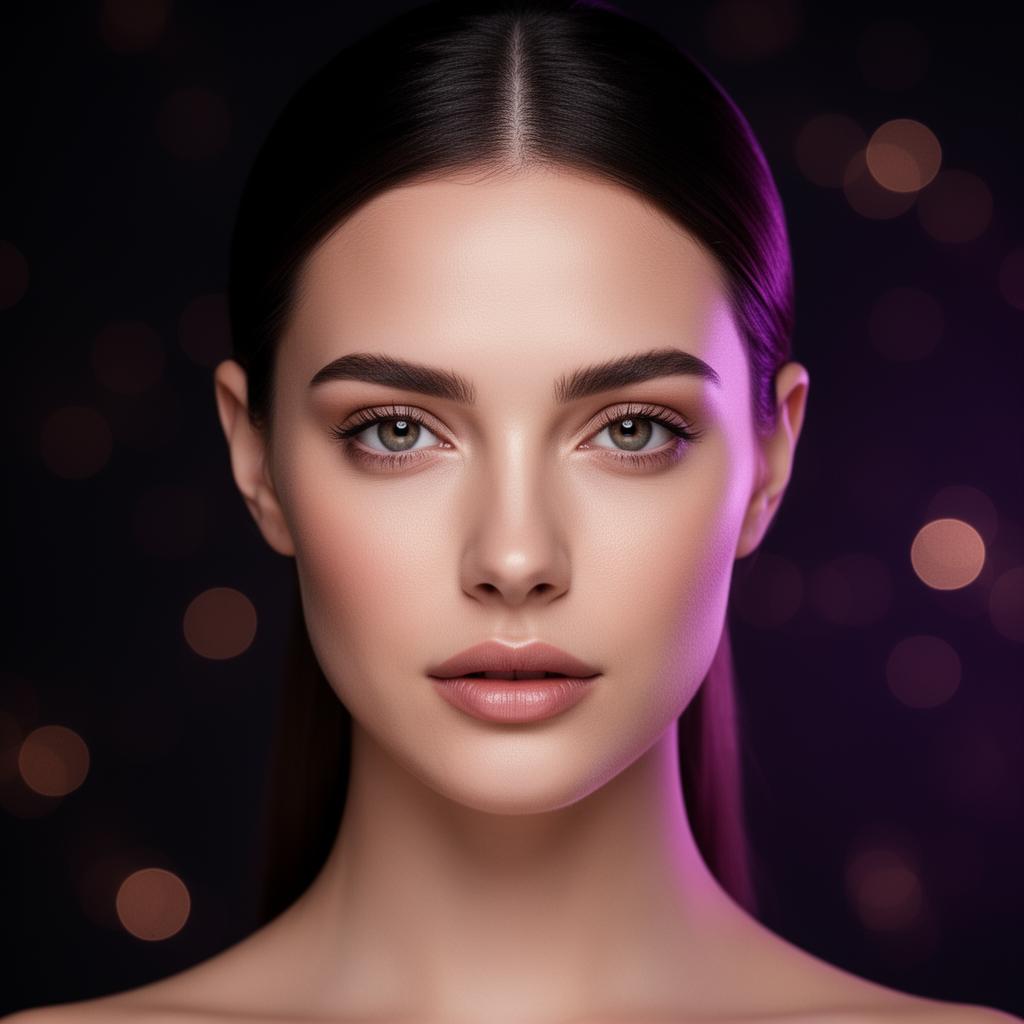
 Emily Pellegrini is not a real person — she is an AI-generated persona whose creator built her from a ChatGPT description of "the average man's dream girl," per his own published statements. As of August 8, 2026 her accounts have largely vanished: the Instagram all press coverage cited is no longer available, and her Fanvue disappeared in July. The verdict doesn't change — an operator's own archived disclosure can't be un-said.
 ◆ Openly Virtual
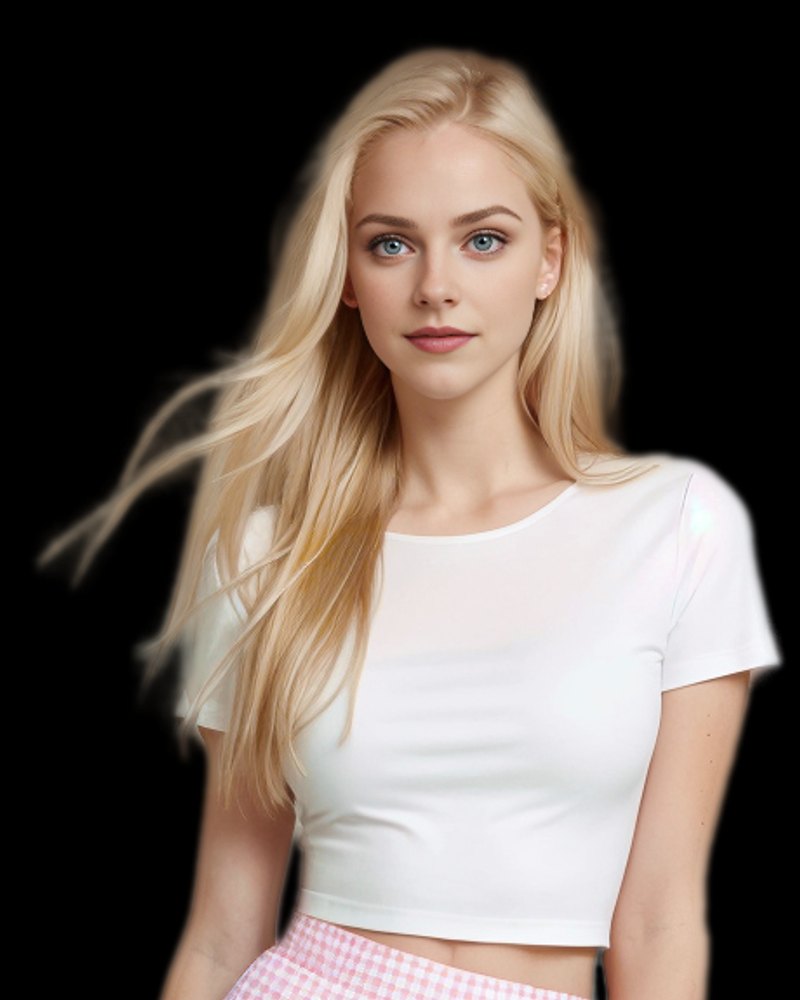
 Mia Kehley is not a real person — her Fanvue profile, cross-linked from her own hub site, now carries the platform's "AI generated or enhanced" disclosure marker (archived July 20, 2026). That's the confirmation this page previously lacked: an earlier review found only an AI-generator filename artifact on her site and deliberately held the verdict at unproven until something official existed. Now it does.
 ◆ Openly Virtual
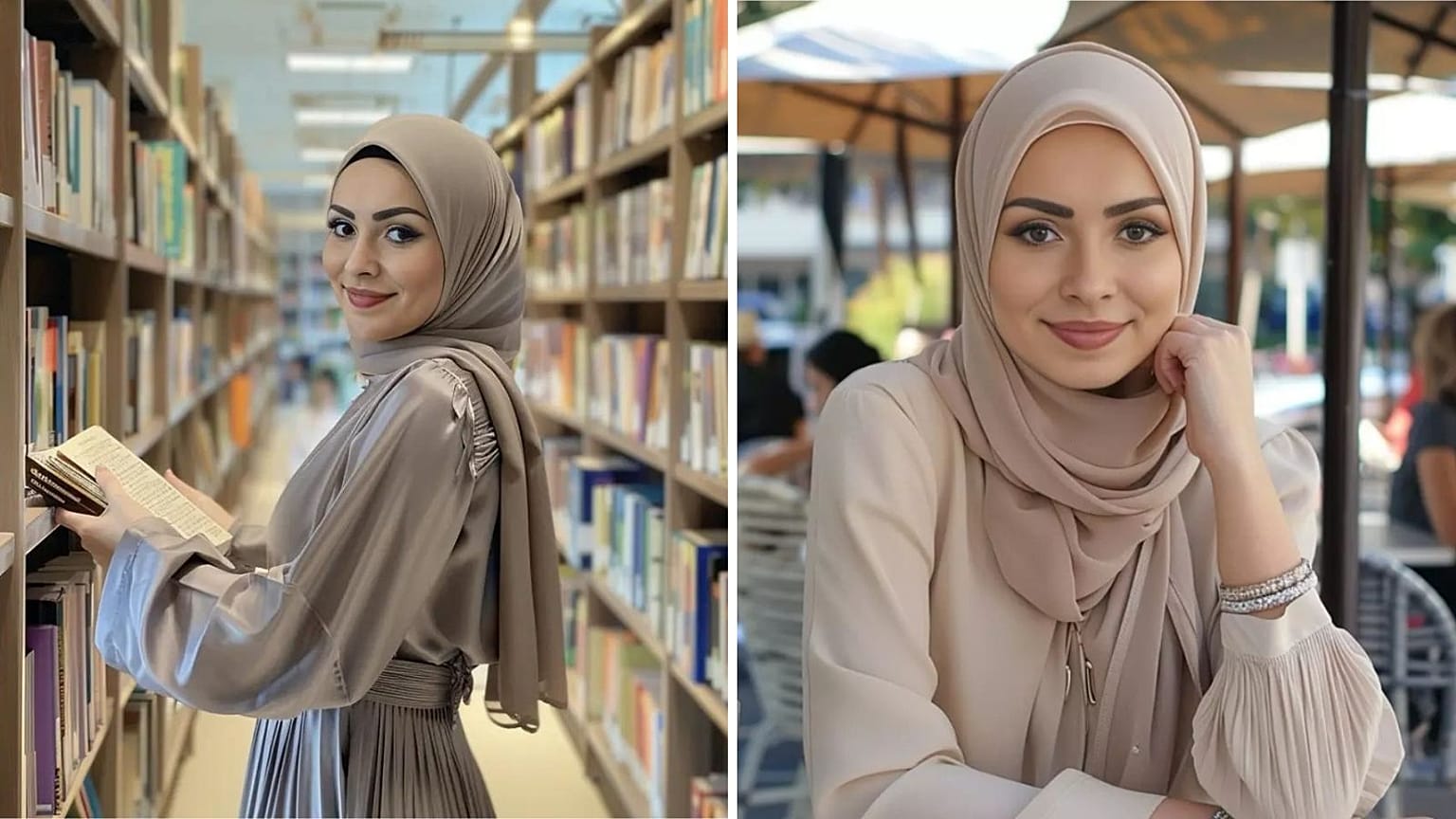
 Kenza Layli is not a real person — she is an openly AI-generated influencer, and the winner of the world's first "Miss AI" pageant (2024).
 ◆ Openly Virtual
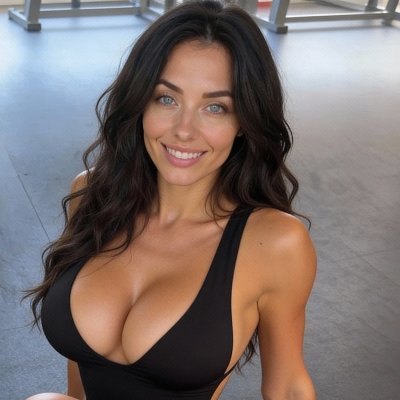
 Yes — Bella Storm (@bellastormofficial) is openly virtual, not a real woman. Her own Fanvue profile carries the platform's own required AI-creator disclosure — an "AI generated or enhanced" tag shown at the bottom of her bio, backed by an is_ai_creator flag embedded in the page's own data — and the Italian design/culture outlet Domus profiled her human operator directly in January 2025, reporting that her "artificial nature" is "explicitly stated on her page and in private messages."
 ◆ Openly Virtual
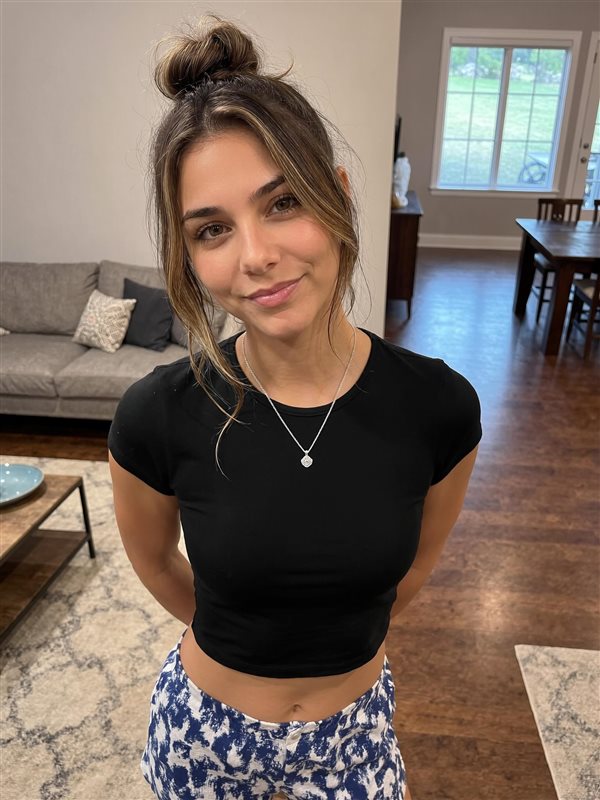
 No — and as of mid-2026 she says so herself: her Instagram bio reads "Ai influencer." The 194K-follower account that had commenters arguing "she's AI" for months finally put it in writing. Her bio also says "No OF" — so anything selling "her" content is a scam twice over.
 ◆ Openly Virtual
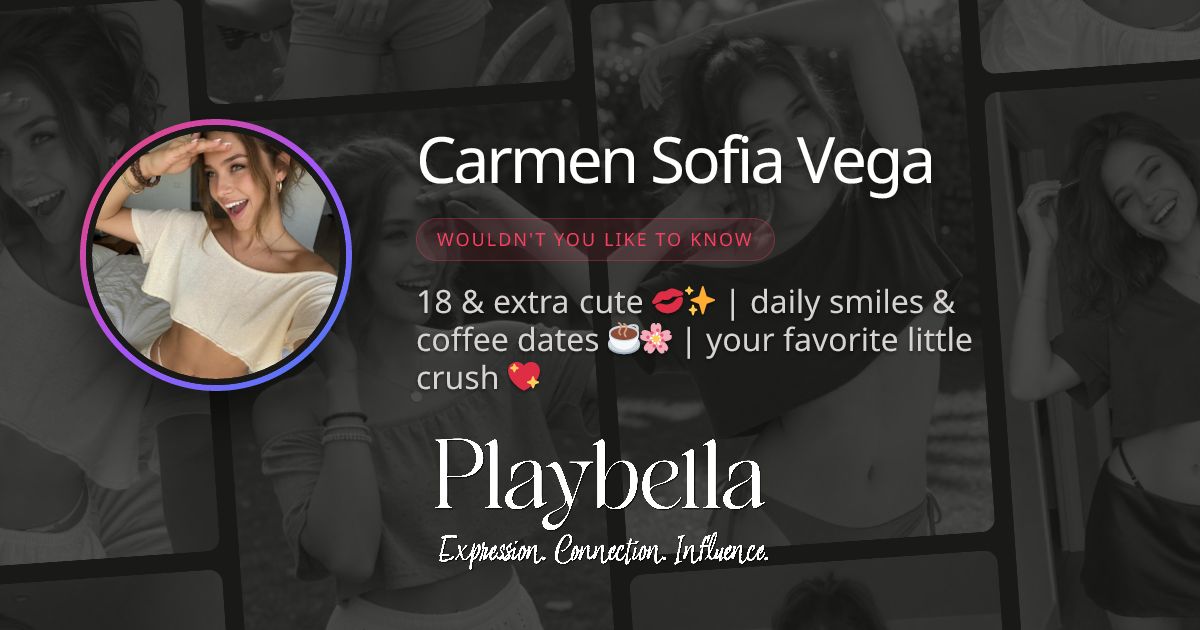
 Carmen Sofia Vega is not a real person — and the confirmation is first-person. Her own Fanvue bio states "I'm virtual and I use some AI here and there," alongside the platform's "AI generated or enhanced" disclosure marker (both archived July 20, 2026). The statement naming her specifically — the piece the earlier open verdict was waiting for — now exists, in her operator's own words.
 ◆ Openly Virtual
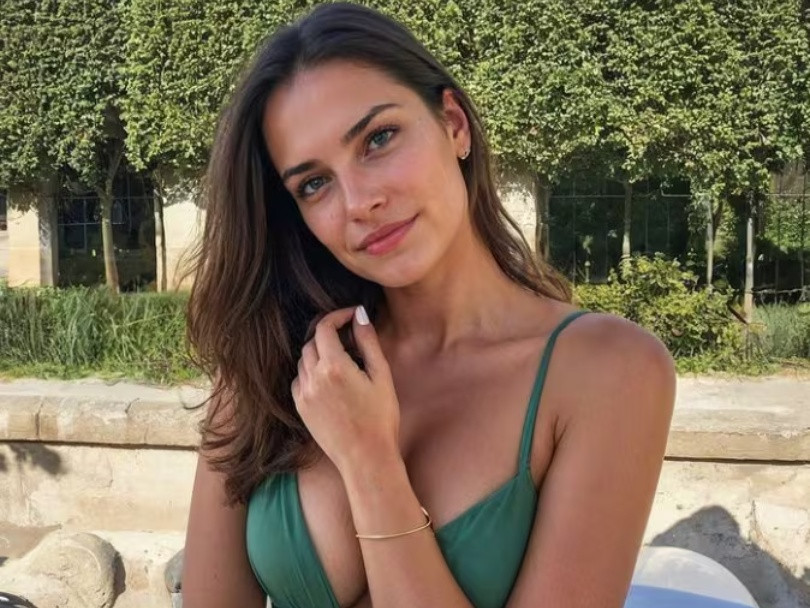
 Lalina Valina is not a real person — she is an openly AI-generated French persona, runner-up in the world's first Miss AI pageant (2024).
 ◆ Openly Virtual
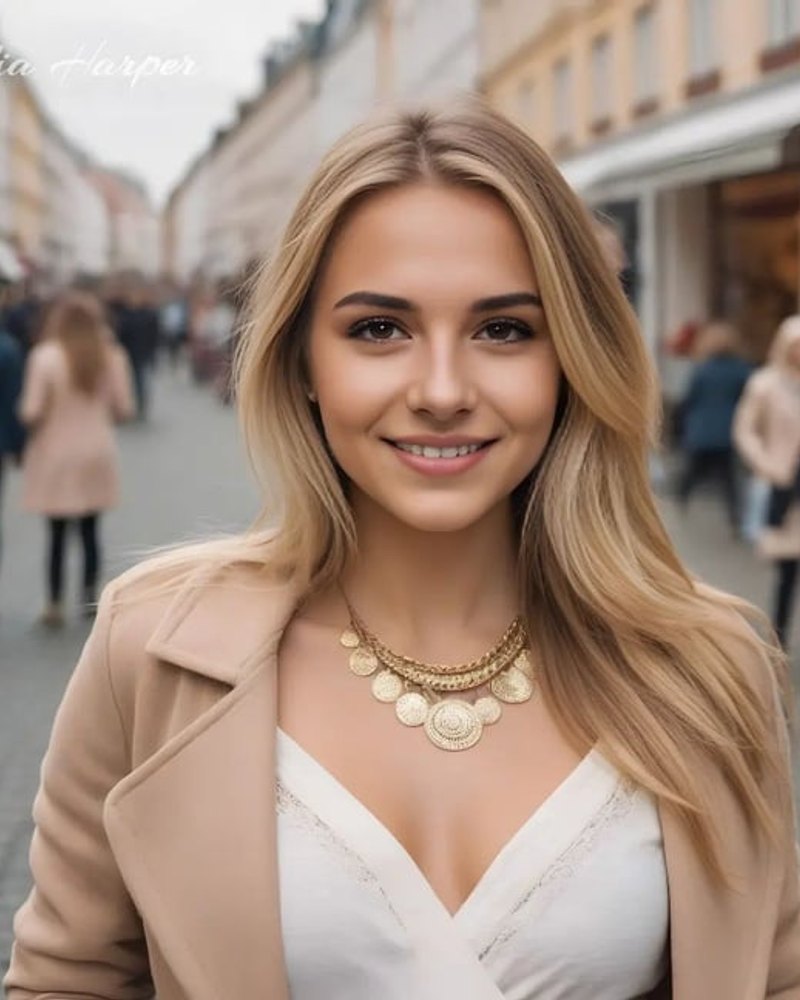
 Resolved on the identity question, unresolved on fame: the London-based @miaharper.vi described herself — in her own Instagram bio and her own branded website — as "a virtual model, influencer," and the photos on her own site carry clear AI-generation artifacts rather than contradicting that label. That disclosure is archived; the Instagram account itself became unavailable in July 2026. The bigger complication is the name itself: at least two other distinct "Mia Harper" accounts and several unrelated real people share it, so the exact handle matters.
 ◆ Openly Virtual
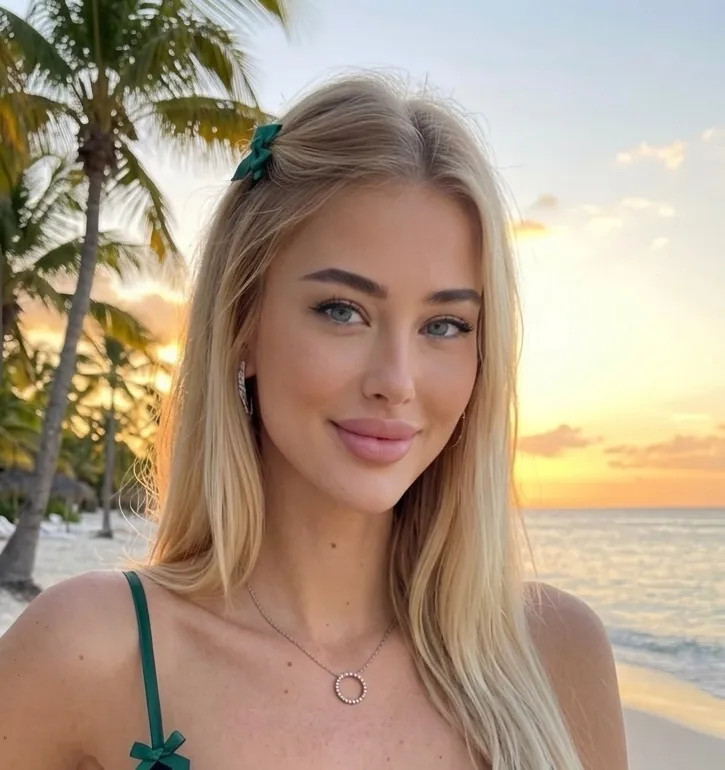
 Openly virtual — Vesna Blv (also billed as Lacy Vesna and Vesna Bellevoire) is a self-disclosed AI persona: her own Facebook page and her own Threads account both carry first-party "Powered by AI" self-descriptions, and no press, interview, or verified public appearance has ever surfaced a real person behind the name.
 ◆ Openly Virtual
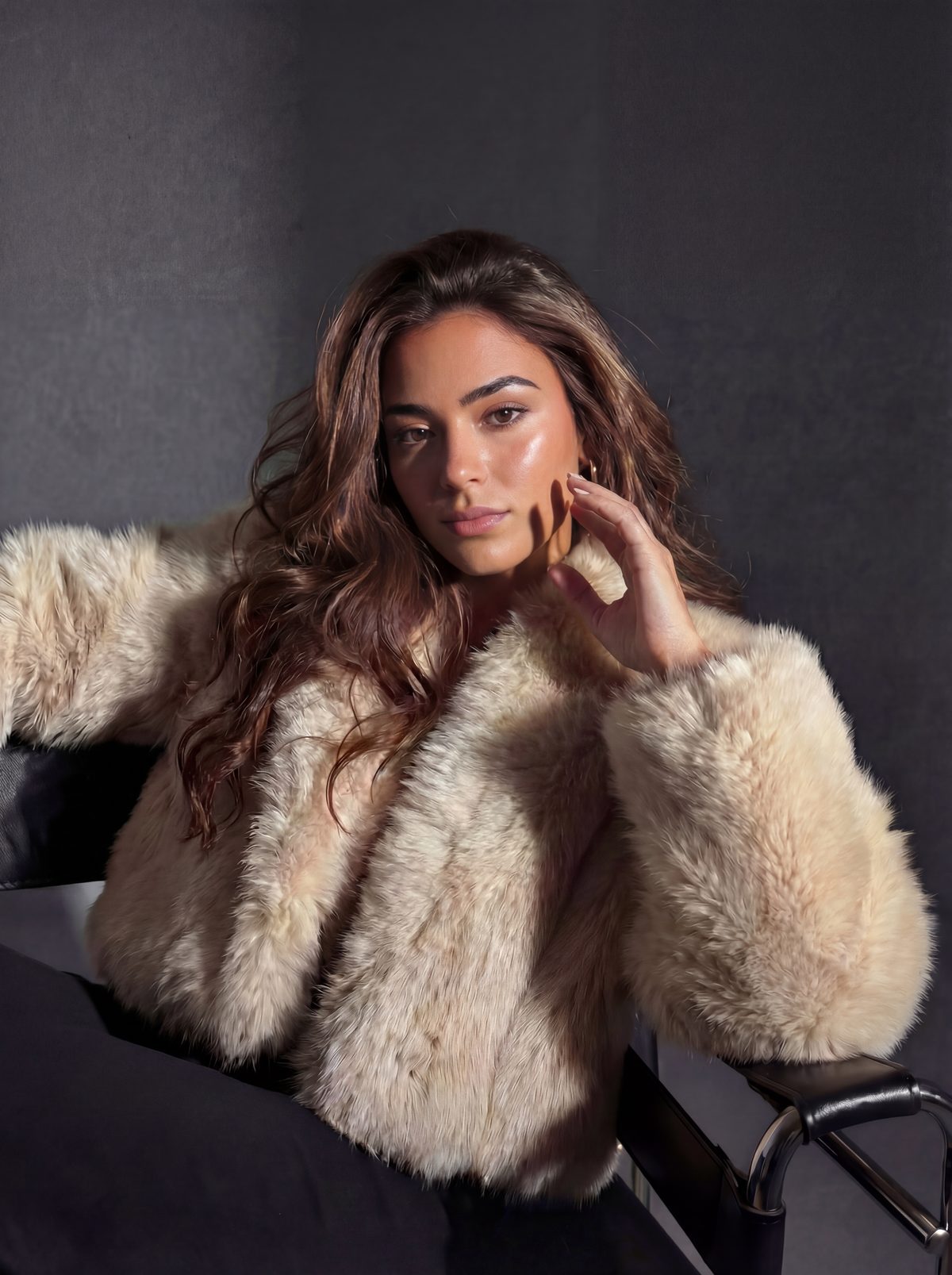
 Ana Zelu is not a real person — she is an AI-generated "digital character," as her own Instagram bio states.
 ◆ Openly Virtual
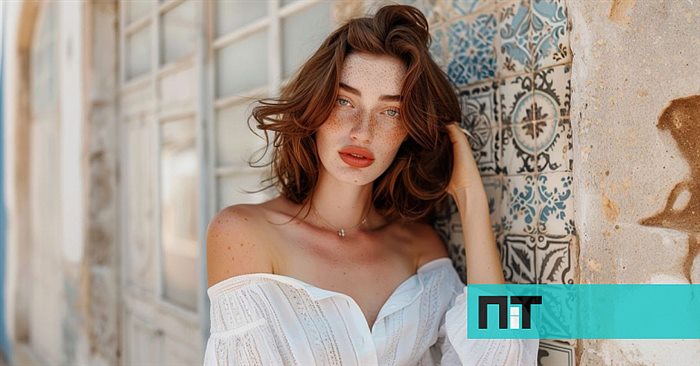
 Olivia C is not a real person — she is an openly AI-generated Portuguese travel influencer, third place at the first Miss AI pageant (2024).
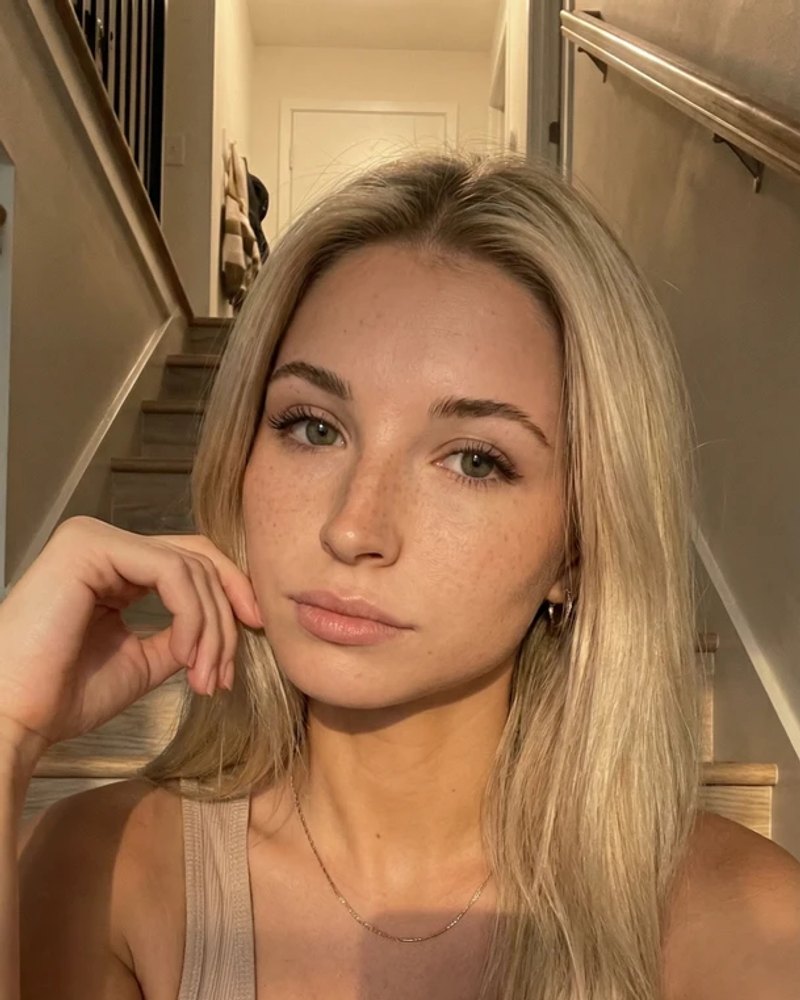 ◆ Openly Virtual
 No — Alina Valea is not a real person: her own Instagram bio self-identifies as an "ai influencer," and she runs a linked "virtual artist" AI-music project on Spotify.
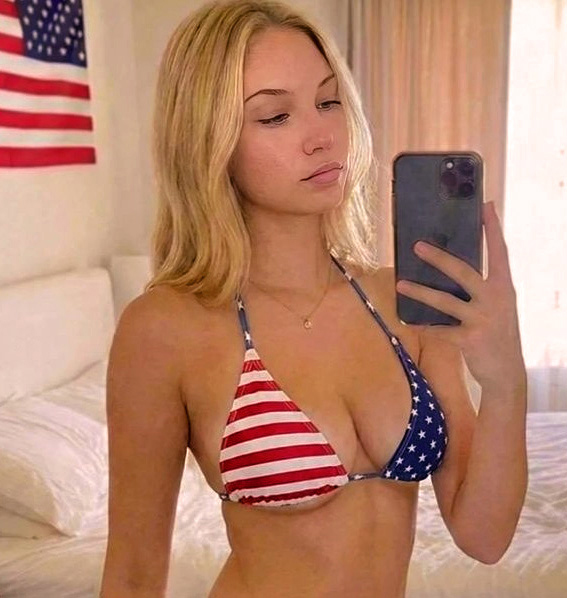 ◆ Openly Virtual
 No — Emily Hart is not a real person. She was an AI-generated "MAGA nurse" persona built by a then-22-year-old medical student in India who, using the pseudonym "Sam," confirmed the deception on the record to WIRED in April 2026 after running the account for about a year.
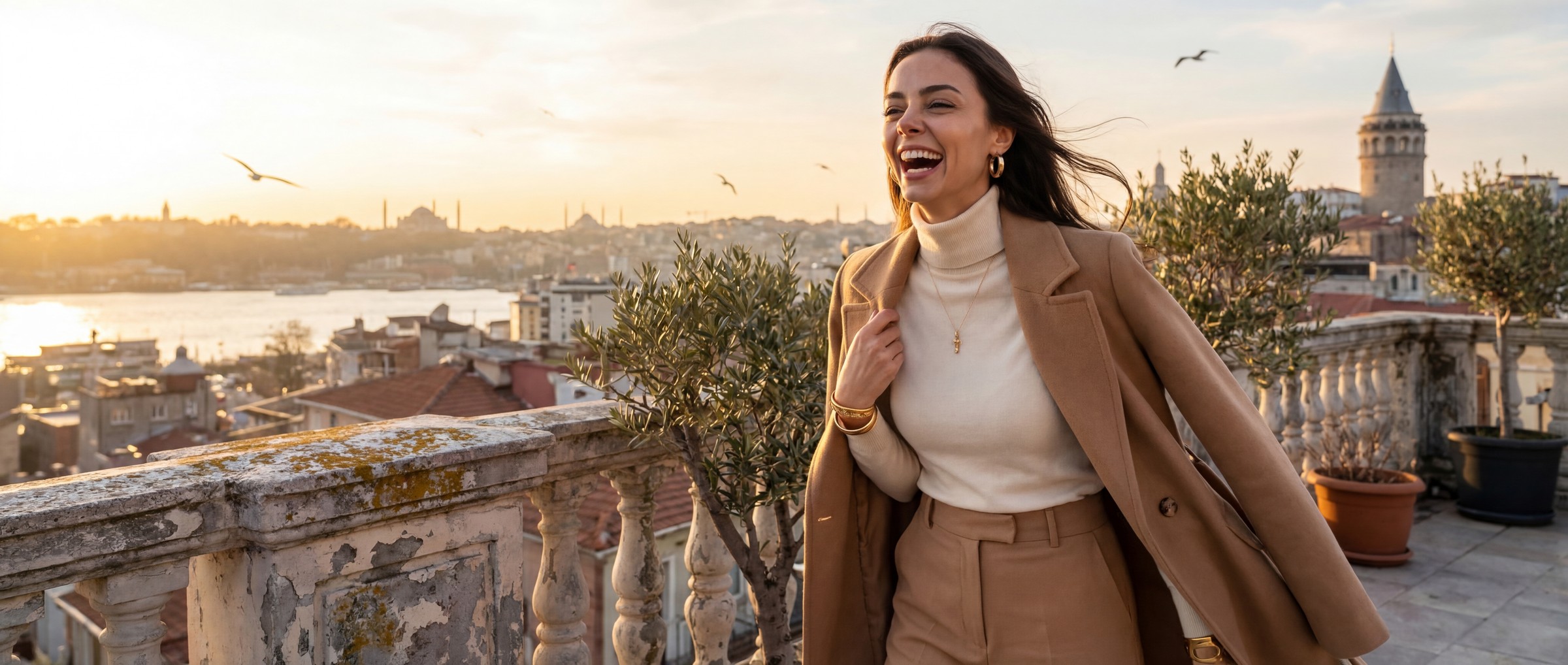 ◆ Openly Virtual
 Eysan Aksoy is not a real person — she is a Turkish AI persona whose own website and Patreon page both say "AI," and who is listed as an ambassador of the Fanvue x OpenArt AI Personality of the Year Awards 2026.
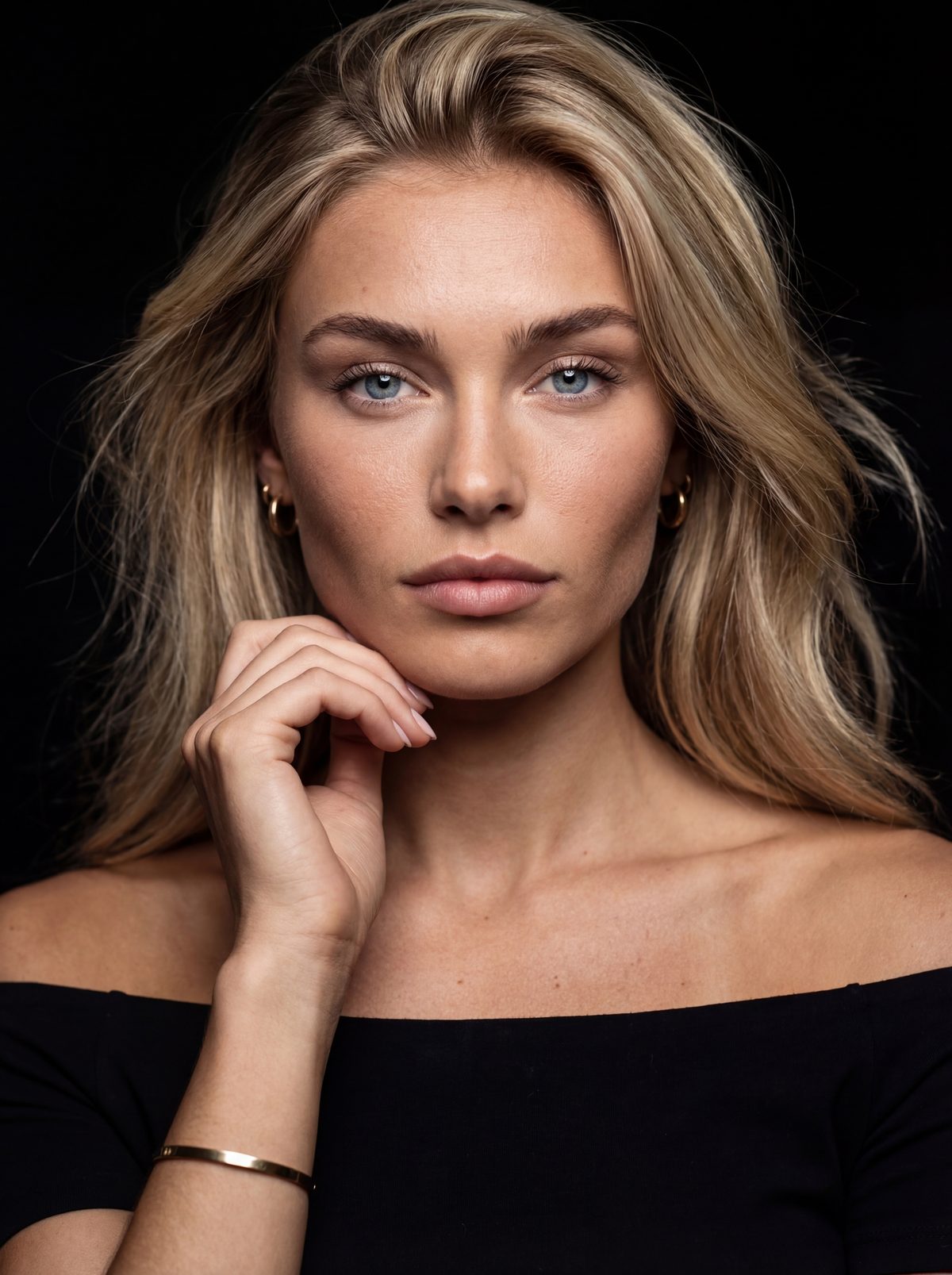 ◆ Openly Virtual
 Mia Zelu is not a real person — she is an AI-generated influencer, disclosed in her own Instagram bio.
 ◆ Openly Virtual
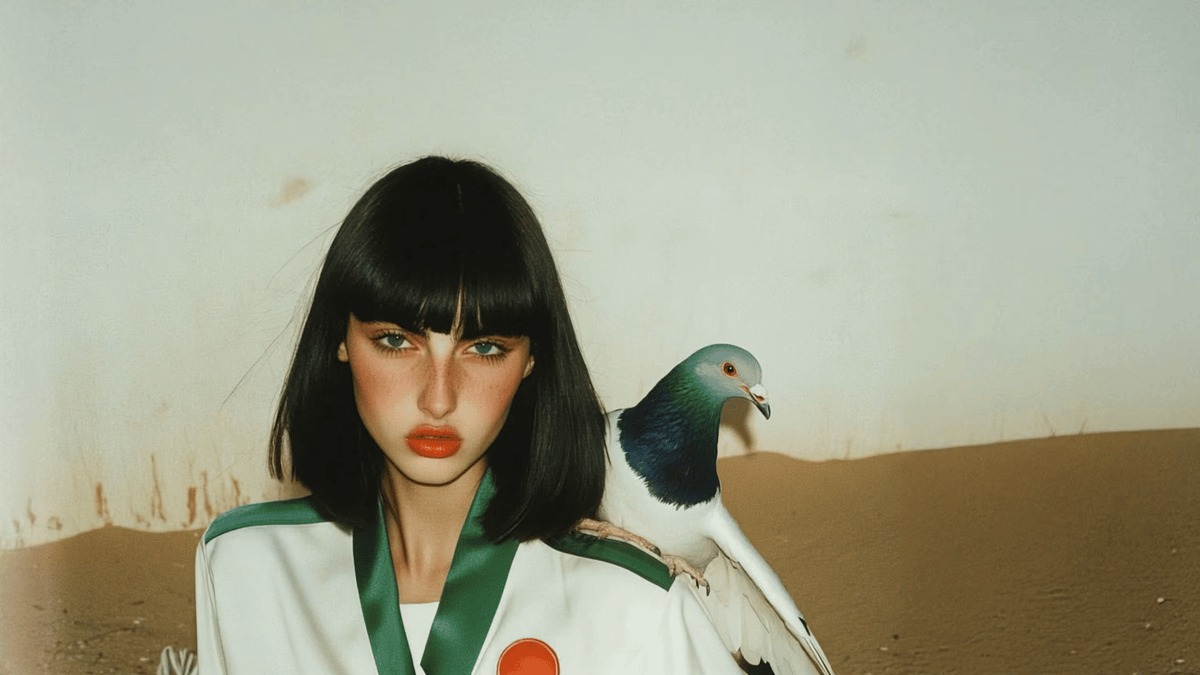
 Nava Null is not a real person — she is an AI-generated singer created by British-Iranian artist Farbod Mehr, publicly confirmed by her creator's own statements and by her listing as an official ambassador of the Fanvue x OpenArt AI Personality of the Year Awards 2026.
 ◆ AI Persona — Documented
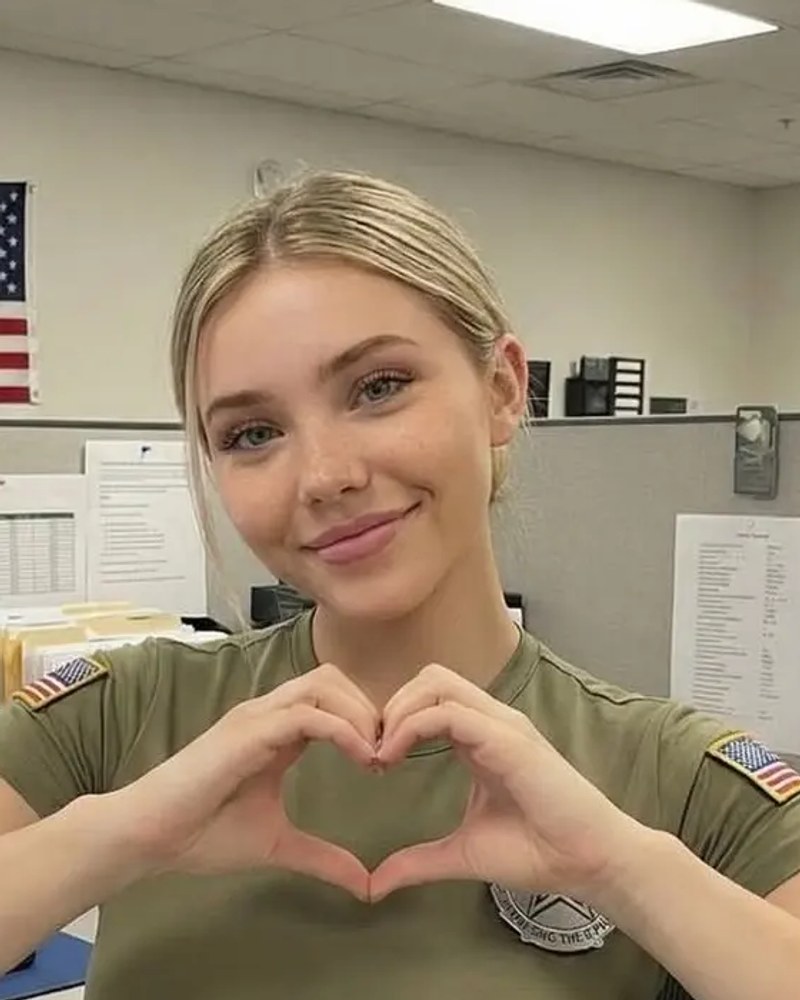
 Jessica Foster is not a real person. She's an AI-generated "Army sergeant" persona that grew past a million Instagram followers posing with Trump, Putin, and Zelensky before a Washington Post investigation (Drew Harwell, March 20, 2026) found no service record, contradictory uniform insignia, and a foot-fetish OnlyFans/Fanvue funnel behind her — with an operator who has never been identified.
 ◆ Openly Virtual
 Soraya Thorne is not a real person — she is an AI-generated persona created by a Canadian creator known publicly as Anja, and she was named the overall winner of the inaugural Fanvue x OpenArt AI Personality of the Year Awards in June 2026.
 ◆ Openly Virtual
 Openly virtual — Amara Davaux discloses being AI-generated on more than one of her own surfaces: her Instagram bio (@amara.davaux) reads "AI-generated profile," and her own link hub (linktr.ee/amaradavaux) describes her as a "Swiss-Aussie AI muse." Her Fanvue profile independently carries that platform's own "AI generated or enhanced" creator disclosure, archived September 16, 2026. Her TikTok account (@amaradavaux_) is independently confirmed via TikTok's own oEmbed match to the same name. Her paid-content platform is Fanvue; per this site's policy for gated subscription platforms, no direct link is published here.
Inclusion standard: "virtual" requires official confirmation — an operator statement, platform AI label, or owner claim, or, where an anonymous operator never disclosed, named-byline investigative journalism — linked as evidence on the persona's page. Disputed verdicts are re-reviewed within 48 hours. This list regenerates from the registry on every site build.
Nobody has a complete census — new personas launch weekly and many never disclose. This list covers the 29 virtual creators we've individually documented and verified against official confirmation: an operator's public statement, a platform AI label, or an owner claim — or, for an anonymous operator who never disclosed, named-byline investigative reporting establishing it. It grows with every review.
Almost always by the operator — and it mostly doesn't help. Every one of the 29 personas on this list carries official confirmation on the record: the operator's own disclosure, or, for the rare anonymous operator who never disclosed, named-byline investigative journalism establishing it instead (that's our bar for inclusion). Fans still search "is she real" in huge numbers regardless. Disclosure buried in a bio is disclosure nobody sees, which is why each entry links to the actual evidence — and why we archive each disclosure the moment we verify it.
Look for what a real person can't avoid leaving behind: long-form video, live appearances, third-party press naming her, a paper trail that predates her fame. Absence of those proves nothing by itself — our guide walks through the checks that work and the "AI detector" myths that don't.
Yes — a persona is listed here only with confirmation on the record: the operator's public statement, a platform AI label, an owner claim, or — for an anonymous operator who never disclosed — named-byline investigative reporting, with the evidence linked on her page. Personas we can't confirm either way stay "Unverified" and are not on this list.
The study behind this registry: 1205 creators researched, and 1 in 5 isn’t provably a real person.
Not one of the 29 has a live OnlyFans account and ten have a live Fanvue account. The counted rows, the two platforms' own rules, and the cases where the move is on the record.
The checks that work, and the "AI detector" myths that don't.
The other direction — real creators who launched consent-based AI clones.