✓ VerifiedHer Research
The State of
“Is She Real?”
Data report Published July 7, 2026 Updated August 2, 2026 1205 creators Every claim sourced
As of August 2, 2026, the EU requires AI-generated content to be labeled. This report began as a study of the 65 most-searched creators the internet suspects of being AI; six weeks of hand research later, the registry behind it covers 1205 names — every verdict compiled from public, sourced evidence. Here is what the "is she real?" economy actually looks like on the day the law that is supposed to fix it takes effect.
01Key findings
- 29 of 1205 aren’t real people. They are AI-generated personas — some run by agencies, some by anonymous solo operators.
- 214 more (18%) can’t be proven either way — including one persona with 2.7 million followers. If full-time researchers can’t resolve them, a fan scrolling at 1 a.m. has no chance.
- The bigger epidemic runs in reverse: 98% of the real women (941 of 962) have documented scams, impersonations, or fake accounts trading on their names — and 1 in 5 (226 of 962) is the target of specifically AI-generated fake content.
- Disclosure already exists — and it isn’t working. Every one of the 29 confirmed personas has its operator’s own confirmation on the record — that is our bar for the verdict — and Americans still search the measurable names about 22,000 times a month asking if they’re real.
- The wave isn’t over: 23 of the 29 personas launched in 2023 or later — and the class of 2025–26 is still arriving, straight into a labeling law.
02The split
✓ Real women · 962 ◆ AI personas · 29 ○ Unproven · 214
Every cell is one researched name — 1205 in all. Verdicts per our published standards; each name links to a sourced dossier.
03The 29 who aren’t real
Every month, tens of thousands of people Google the names of women who do not exist. These are the personas with the most measurable search demand — each name links to the evidence:
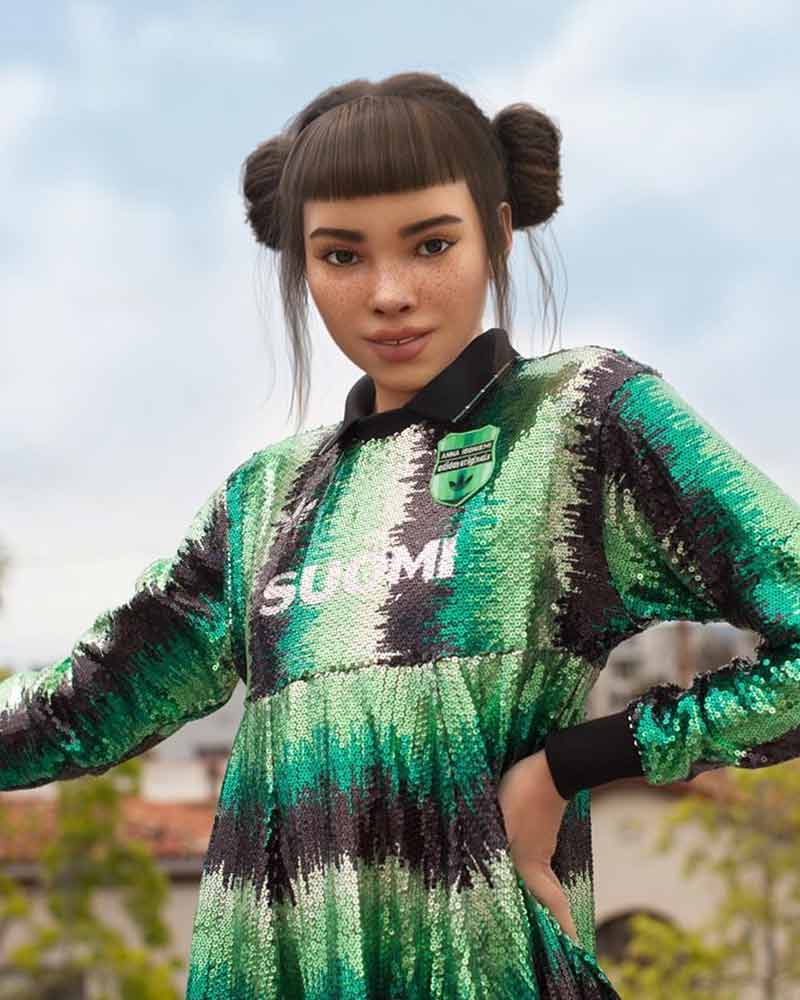
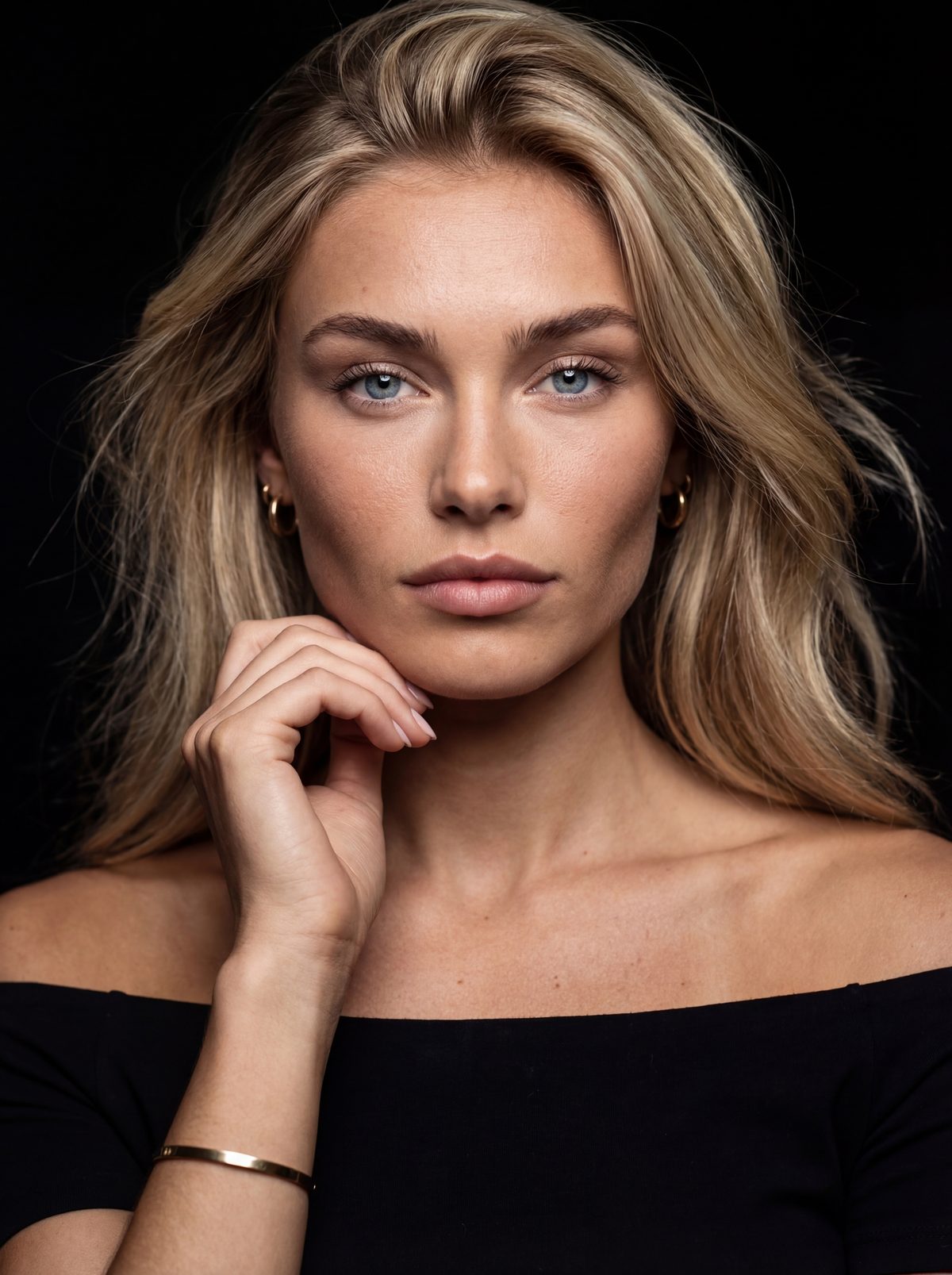
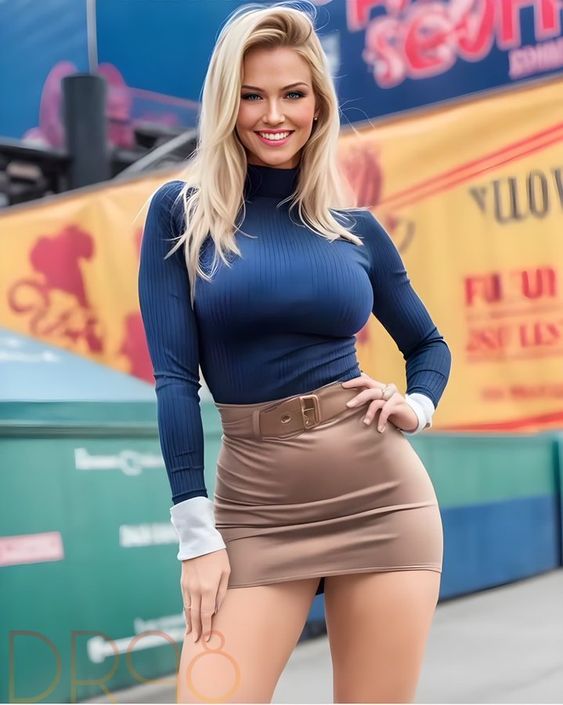
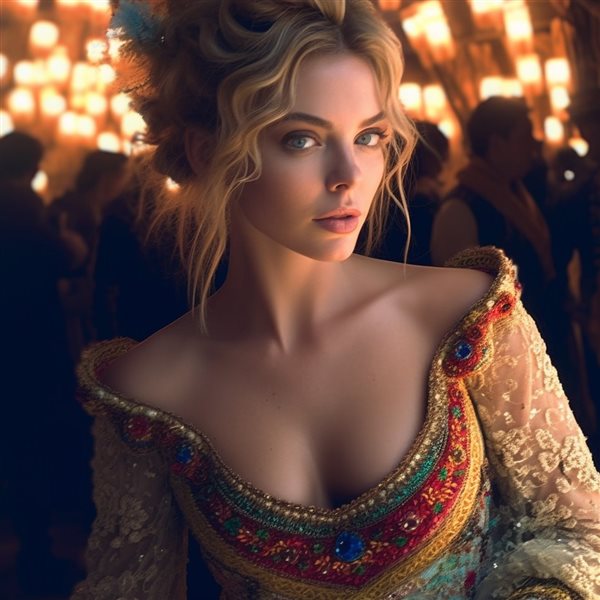
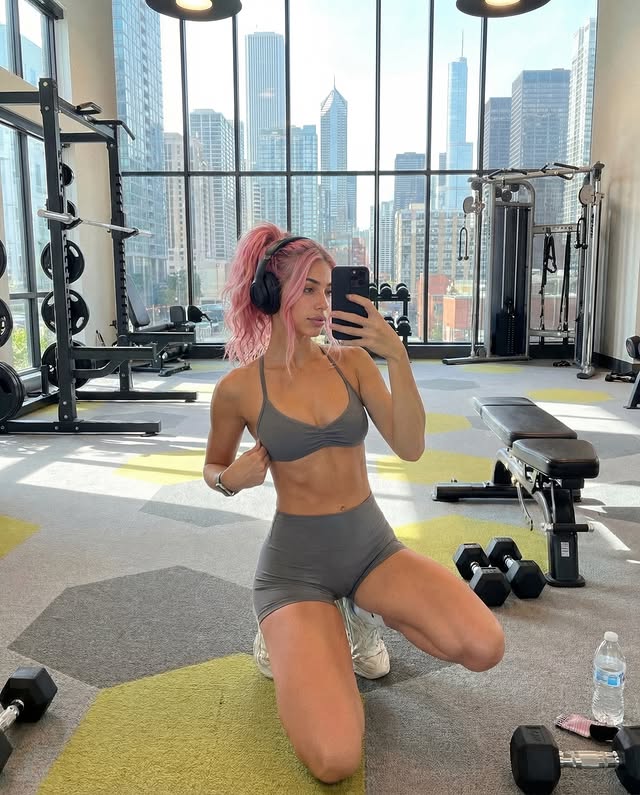
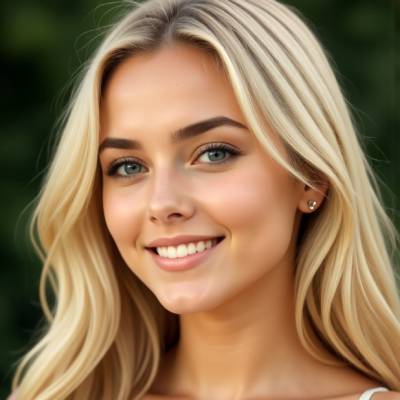
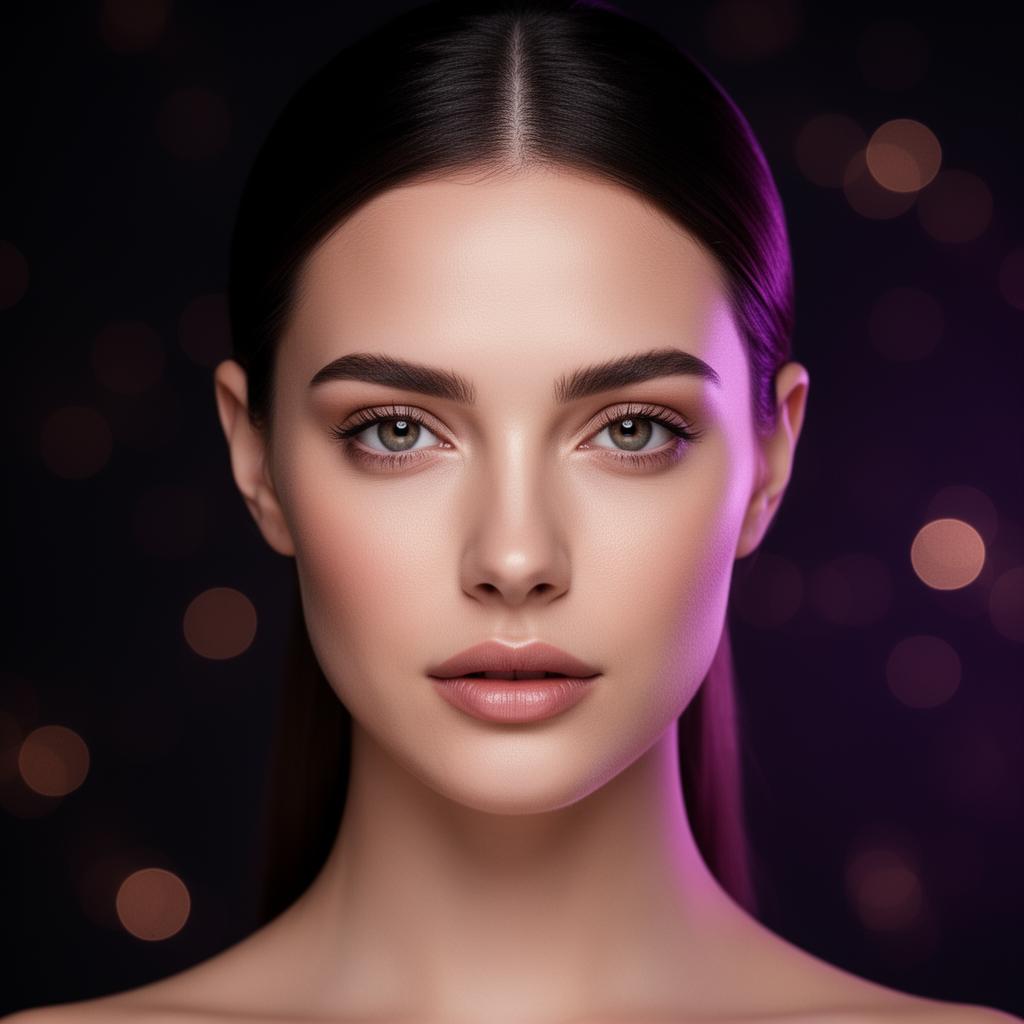
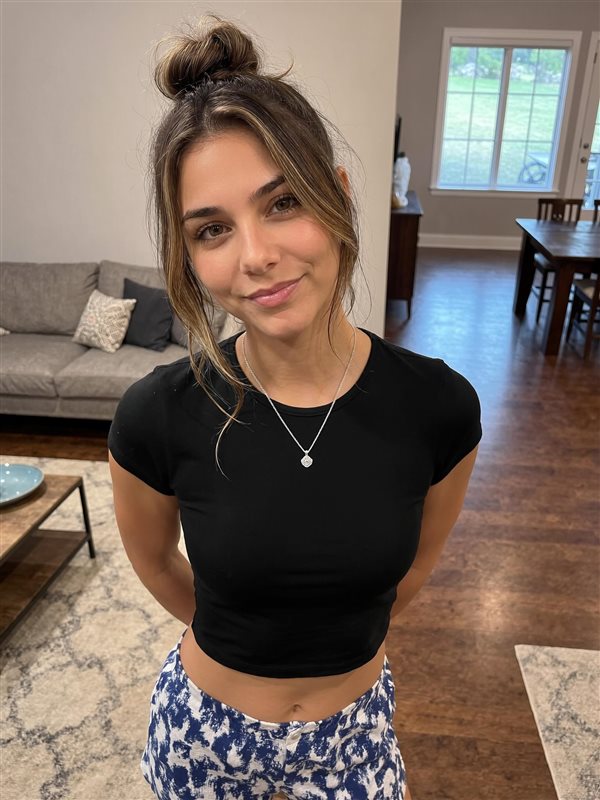

US monthly searches for her name (Semrush, July 2026). The other 19 personas measure under 500 searches a month, have no measurable US volume, or — in one case — share a name too common to attribute cleanly.
When were they born? The pioneers were hand-built CGI; the flood is generative:
First public activity of the 29 confirmed AI personas. The 2016–18 pioneers (Lil Miquela, Shudu, Noonoouri) are hand-built CGI; everything from 2023 on is the generative wave — and it hasn’t stopped.
04Disclosure exists. It doesn’t work.
Here is the finding that should worry regulators: every one of these 29 personas has its operator’s own disclosure on the record — an “AI influencer” bio line, a platform AI label, an agency press tour, a virtual-pageant entry. It has to: that is our evidentiary bar for the verdict. Mia Zelu’s Instagram bio says she’s AI-generated; 3,600 Americans a month Google her name anyway, many of them asking whether she’s real. Disclosure that lives in a bio line is disclosure the audience never sees: the content itself — the photos, the Reels, the reposts and screenshots that travel without the bio attached — carries no label at all.
Disclosure that lives in a bio line is disclosure the audience never sees.
Worse, disclosure turns out to be reversible marketing, not a standing fact. Brooke Snyder’s account — 194K followers as of mid-2026 — added “Ai influencer” to its bio that year, after two years of operating without it, and weeks before the EU deadline. Another persona’s X bio carried “virtual model” for months, then quietly dropped the wording this July — which is why we archive every disclosure the moment we verify it, and why a verified disclosure is permanent on this registry even if the operator later scrubs it. And the operations that never disclose at all? They can’t reach this list — they sit among the 214 unproven, where not even determined research can settle the question.
Starting August 2, 2026, Article 50 of the EU AI Act requires AI-generated images, audio, and video to carry machine-readable markers identifying them as artificial, and “deepfake” content resembling real people or events to be clearly disclosed — obligations that fall on whoever publishes the content, EU-based or not, with fines up to €15 million or 3% of global turnover. Legal commentators increasingly read AI personas and virtual influencers as falling under this disclosure net — though it remains legally untested whether a wholly fictional persona meets the Act’s technical definition of a “deep fake,” and a narrower machine-marking rule for tools already on the market doesn’t bite until December 2026.
Which is precisely the gap this data exposes: the law is arriving with a definition fight attached, the platforms’ labels don’t travel with screenshots, and a bio-line confession reaches nobody. The question “is she real?” doesn’t get answered by a label the fan never sees. It gets answered by evidence — which is why we publish the receipts, one page per name.
05The bigger problem runs in reverse
The AI personas are the story everyone writes. The data says the larger epidemic points the other way: 941 of the 962 real women in this dataset — all but 21 — have documented scams, impersonator accounts, or fake “official” link pages trading on their names, and 1 in 5 (226 of 962) is the target of specifically AI-generated fake content: deepfake photos, videos, and “girlfriend” chatbots they never made. Sophie Rain — one of the most-searched creators on the internet, and extensively documented as real — has publicly said AI fakes of her are costing her real money. For a working creator, being suspected of being AI is now a business problem: fans who doubt you’re real don’t subscribe.
06The 214 nobody can prove
The most unsettling category keeps growing. After weeks of research, 214 accounts resist any verdict. The four that started this file are still open:
- Olivia Casta — 2.7M followers; no interview, no video, no verified appearance — and a years-old, never-confirmed face-swap theory.
- Camila Parker — The viral "Texas health teacher." No paper trail; AI-detector results conflict and resolve nothing.
- Sika Moon — AI-generated images run, by her own account, by a real but anonymous woman. A hybrid the labels don’t fit.
- Vanessa Rae Adams — Probably real — an agency lists her — but she has never appeared anywhere we can verify.
These 214 have millions of followers between them. They may be real women guarding their privacy, AI operations with good tradecraft, or something in between — a real face, an invented life. The point is that in 2026, not even determined manual research can always tell. That epistemic hole is what labeling laws are trying to patch — and what scammers live in. Every open case is published at the unsolved index.
07Methodology
The dataset began July 7 as the 65 creators with the highest measurable search demand around identity questions (“[name]”, “[name] ai”, “is [name] real”, Semrush US, July 2026) and has since grown to 1205 through continued hand research: creators surfaced by search demand, by documented cast and roster records (broadcaster cast pages, industry award rosters), and by cross-references inside our own published dossiers. Each creator’s verdict — Real, AI Persona, or Unverified — was compiled by hand from public, citable evidence: long-form video interviews, named-journalist press coverage, agency statements, platform verification, and the operators’ own disclosures. Every dossier lists its sources and its confidence level per claim, and each is dated. Scam and impersonation figures count hand-written, sourced warnings on each page, classified by the same build-time rules as our scam-pattern index, so the two can never disagree. Search volumes are Semrush US monthly figures for individually attributable names only. We publish corrections at [email protected], and creators can claim and correct their own pages at any time.
For press
The full dataset — 1205 verdicts with sources, launch dates, disclosure status, and 3,320 documented-scam flags — is available to journalists, with attribution to VerifiedHer (verifiedher.com). Charts on this page may be reproduced with credit. Contact: [email protected] — more on the press & researchers page.